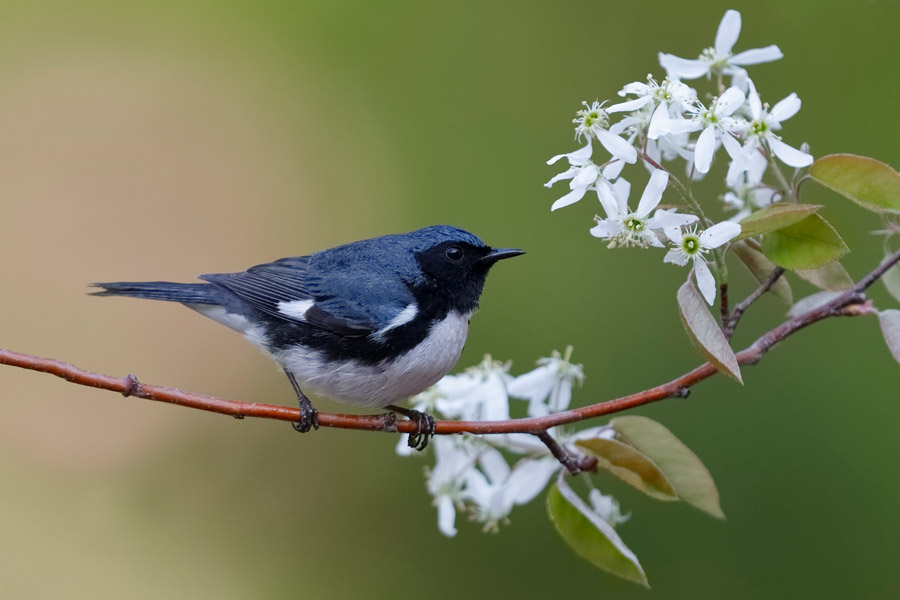
Carolina Chickadee

Use Native Plants to Nurture Nature

[fusion_builder_container type=”flex” hundred_percent=”no” hundred_percent_height=”no” min_height=”” hundred_percent_height_scroll=”no” align_content=”stretch” flex_align_items=”flex-start” flex_justify_content=”flex-start” flex_column_spacing=”” hundred_percent_height_center_content=”yes” equal_height_columns=”no” container_tag=”div” menu_anchor=”” hide_on_mobile=”small-visibility,medium-visibility,large-visibility” status=”published” publish_date=”” class=”” id=”” link_color=”” link_hover_color=”” border_sizes=”” border_sizes_top=”” border_sizes_right=”” border_sizes_bottom=”” border_sizes_left=”” border_color=”” border_style=”solid” spacing_medium=”” margin_top_medium=”” margin_bottom_medium=”” spacing_small=”” margin_top_small=”” margin_bottom_small=”” margin_top=”” margin_bottom=”” padding_dimensions_medium=”” padding_top_medium=”” padding_right_medium=”” padding_bottom_medium=”” padding_left_medium=”” padding_dimensions_small=”” padding_top_small=”” padding_right_small=”” padding_bottom_small=”” padding_left_small=”” padding_top=”” padding_right=”” padding_bottom=”” padding_left=”” box_shadow=”no” box_shadow_vertical=”” box_shadow_horizontal=”” box_shadow_blur=”0″ box_shadow_spread=”0″ box_shadow_color=”” box_shadow_style=”” z_index=”” overflow=”” gradient_start_color=”” gradient_end_color=”” gradient_start_position=”0″ gradient_end_position=”100″ gradient_type=”linear” radial_direction=”center center” linear_angle=”180″ background_color=”” background_image=”” background_position=”center center” background_repeat=”no-repeat” fade=”no” background_parallax=”none” enable_mobile=”no” parallax_speed=”0.3″ background_blend_mode=”none” video_mp4=”” video_webm=”” video_ogv=”” video_url=”” video_aspect_ratio=”16:9″ video_loop=”yes” video_mute=”yes” video_preview_image=”” absolute=”off” absolute_devices=”small,medium,large” sticky=”off” sticky_devices=”small-visibility,medium-visibility,large-visibility” sticky_background_color=”” sticky_height=”” sticky_offset=”” sticky_transition_offset=”0″ scroll_offset=”0″ animation_type=”” animation_direction=”left” animation_speed=”0.3″ animation_offset=”” filter_hue=”0″ filter_saturation=”100″ filter_brightness=”100″ filter_contrast=”100″ filter_invert=”0″ filter_sepia=”0″ filter_opacity=”100″ filter_blur=”0″ filter_hue_hover=”0″ filter_saturation_hover=”100″ filter_brightness_hover=”100″ filter_contrast_hover=”100″ filter_invert_hover=”0″ filter_sepia_hover=”0″ filter_opacity_hover=”100″ filter_blur_hover=”0″][fusion_builder_row][fusion_builder_column type=”1_1″ layout=”1_1″ align_self=”auto” content_layout=”column” align_content=”flex-start” content_wrap=”wrap” spacing=”” center_content=”no” link=”” target=”_self” min_height=”” hide_on_mobile=”small-visibility,medium-visibility,large-visibility” sticky_display=”normal,sticky” class=”” id=”” type_medium=”” type_small=”” order_medium=”0″ order_small=”0″ dimension_spacing_medium=”” dimension_spacing_small=”” dimension_spacing=”” dimension_margin_medium=”” dimension_margin_small=”” margin_top=”” margin_bottom=”” padding_medium=”” padding_small=”” padding_top=”” padding_right=”” padding_bottom=”” padding_left=”” hover_type=”none” border_sizes=”” border_color=”” border_style=”solid” border_radius=”” box_shadow=”no” dimension_box_shadow=”” box_shadow_blur=”0″ box_shadow_spread=”0″ box_shadow_color=”” box_shadow_style=”” background_type=”single” gradient_start_color=”” gradient_end_color=”” gradient_start_position=”0″ gradient_end_position=”100″ gradient_type=”linear” radial_direction=”center center” linear_angle=”180″ background_color=”” background_image=”” background_image_id=”” background_position=”left top” background_repeat=”no-repeat” background_blend_mode=”none” animation_type=”” animation_direction=”left” animation_speed=”0.3″ animation_offset=”” filter_type=”regular” filter_hue=”0″ filter_saturation=”100″ filter_brightness=”100″ filter_contrast=”100″ filter_invert=”0″ filter_sepia=”0″ filter_opacity=”100″ filter_blur=”0″ filter_hue_hover=”0″ filter_saturation_hover=”100″ filter_brightness_hover=”100″ filter_contrast_hover=”100″ filter_invert_hover=”0″ filter_sepia_hover=”0″ filter_opacity_hover=”100″ filter_blur_hover=”0″ last=”true” border_position=”all” first=”true”][fusion_text columns=”” column_min_width=”” column_spacing=”” rule_style=”” rule_size=”” rule_color=”” hue=”” saturation=”” lightness=”” alpha=”” content_alignment_medium=”” content_alignment_small=”” content_alignment=”” hide_on_mobile=”small-visibility,medium-visibility,large-visibility” sticky_display=”normal,sticky” class=”” id=”” margin_top=”” margin_right=”” margin_bottom=”” margin_left=”” fusion_font_family_text_font=”” fusion_font_variant_text_font=”” font_size=”” line_height=”” letter_spacing=”” text_transform=”” text_color=”” animation_type=”” animation_direction=”left” animation_color=”” animation_speed=”0.3″ animation_delay=”0″ animation_offset=”” logics=””]

The benefits of adding native plants to your Alabama landscape grow beyond land value and beautification.

If you’re curious about what native plants can do for you, our community, and for the health of our wildlife community, have hope. In fact, author Doug Tallamy believes that we are “nature’s best hope,” as he appoints in the title of his latest book. He presents motivating data and colorful personal examples to demonstrate the benefits of adding native plants to your own yard. Whether you manage a community garden, a few acres, or a backyard suburban haven for your family, it’s easy to incorporate plant species that nurture a network of wildlife. 

Take, for instance, a Carolina chickadee feeding a hungry nest of newly-hatched offspring. They can’t eat seeds. The parents need over 6,000 soft, plump caterpillars to raise one brood of babies. And for adult birds who need berries? A study in New York found that fall berries from non-native shrubs contained less than 1% fat on average, while berries from native shrubs were closer to 50% fat. 

Many species of birds, pollinating bees and insects, butterflies and moths rely on our landscapes for homes, nest material, protection and food. Tallamy wants us to consider certain native, life-sustaining plant species: white oak, willow, and black cherry trees; arrowwood (Viburnum dentatum), elderberry and spicebush (Lindera benzoin) shrubs; wildflowers such as goldenrod, asters, evening primrose, blazing stars (Liatrus spp.), and milkweed (Asclepias spp.). In fact, he prefers we do away with using “weed” to describe something so beneficial, proposing we rename it “Monarch’s Delight.” It’s already very attractive to the monarchs, so this may just make it more attractive to plant shoppers. 

Noteworthy Figures

Tallamy wishes for those of us planting on personal land to consider that “our privately-owned land and the ecosystems upon it are essential to everyone’s well-being, not just our own.”

  • Collectively, lawns take up approximately 40 million acres of land in the United States, equivalent to the combined size of the states of New York and Massachusetts. That’s almost double the acreage of all U.S. National Parks. 
  • 86% of the country east of the Mississippi is privately owned, and 83% of the entire country is privately owned. 
  • About 5% of our native plant species are producing approximately 75% of the food. 

He believes we can make our yards into a native-rich Homegrown National Park with considerate, intentional planting.

Keystone Plants 

Nature’s Best Hope lists a few examples of keystone plants for the U.S. Find many more for your region in the Native Plant Finder from the National Wildlife Federation and the Audubon Native Plant Database.

WOODY PRODUCERS:

  • Native Oaks (e.g. White Oaks) are the superstars throughout most of the U.S. For a small space but large ecological impact, he suggests Eastern species such as dwarf chestnut oak (Quercus prinoides) and Georgia oak (Quercus georgiana).
  • Native Cherries 
  • Native Willows
  • Native Birches
  • Cottonwoods 
  • Elms

TOP HERBACEOUS PLANTS:

What Each of Us Can Do

Tallamy outlines exactly that, devoting a chapter to actionable ideas for us to hit the ground running. Suggestions include:

  • Shrink the size of your lawn.
  • Remove invasive species.
  • Plant native plants that have big ecological impact such as the suggested keystone plants.
  • Partner with your neighbor to coordinate plantings.
  • Revise outdoor lighting to yellow LED bulbs on motion-sensor lights that turn on only when needed, preventing death to important moth and insect species you’ve worked so hard to attract. 
  • Avoid pesticides.
  • Install bee hotels.
  • Leave the leaves under trees, providing mulch that is a natural weed barrier and a home to caterpillar pupae.

We know why native plants matter. We know our individual actions matter. Let’s plant together, Alabama. If you need additional help choosing what to plant, consult with your local garden center. There are many desirable choices of native wildflowers, trees, and shrubs in Alabama. For instance, if you are looking for a “mid-size tree with seasonal fall color and bonus fruit for birds,” share these wishes with the garden center staff. 

These excerpts and suggestions can be found in Nature’s Best Hope. If you’re inspired to learn more about how to attract and nurture more wildlife in your space, you can also watch videos and interviews with Doug Tallamy, explaining how each of us can bring many benefits to our own backyards.

[/fusion_text][fusion_content_boxes layout=”icon-with-title” columns=”1″ link_type=”” button_span=”” link_area=”” link_target=”” icon_align=”left” animation_type=”” animation_direction=”left” animation_speed=”0.3″ animation_delay=”” animation_offset=”” hide_on_mobile=”small-visibility,medium-visibility,large-visibility” class=”” id=”” title_size=”” heading_size=”2″ title_color=”” body_color=”” backgroundcolor=”” icon=”” iconflip=”” iconrotate=”” iconspin=”no” iconcolor=”” icon_circle=”” icon_circle_radius=”” circlecolor=”” circlebordersize=”” circlebordercolor=”” outercirclebordersize=”” outercirclebordercolor=”” icon_size=”” icon_hover_type=”” hover_accent_color=”” image=”” image_id=”” image_max_width=”” margin_top=”” margin_bottom=””][fusion_content_box title=”Get a List of Native Plants ” backgroundcolor=”#f4f4f4″ icon=”fa-list-alt fas” iconflip=”” iconrotate=”” iconspin=”” iconcolor=”#8bc34a” circlecolor=”#ffffff” circlebordersize=”” circlebordercolor=”” outercirclebordersize=”” outercirclebordercolor=”” image=”” image_id=”” image_max_width=”” link=”” linktext=”Read More” link_target=”” animation_type=”” animation_direction=”left” animation_speed=”0.3″ animation_offset=””]

  • One resource for learning the native plants for your ZIP code is the Audubon Native Plant Database. It is exceptionally organized by type of plant, sorted by common name or botanical name, categorized by the wildlife it will attract and full of helpful photos and illustrations.
  • A helpful site that Tallamy’s research informs is the National Wildlife Federation’s Native Plant Finder. Get a list of suggested keystone plants that support native food webs.
  • If you’re interested in what butterflies, moths and neat caterpillars you’ll be supporting, plug your ZIP code into the fascinating Butterflies and Moths Finder. 

[/fusion_content_box][/fusion_content_boxes][fusion_global id=”12536″][fusion_global id=”12535″][/fusion_builder_column][/fusion_builder_row][/fusion_builder_container]

Why Plant Natives?

[fusion_builder_container hundred_percent=”no” hundred_percent_height=”no” hundred_percent_height_scroll=”no” hundred_percent_height_center_content=”yes” equal_height_columns=”no” menu_anchor=”” hide_on_mobile=”small-visibility,medium-visibility,large-visibility” status=”published” publish_date=”” class=”” id=”” background_color=”” background_image=”” background_position=”center center” background_repeat=”no-repeat” fade=”no” background_parallax=”none” enable_mobile=”no” parallax_speed=”0.3″ video_mp4=”” video_webm=”” video_ogv=”” video_url=”” video_aspect_ratio=”16:9″ video_loop=”yes” video_mute=”yes” video_preview_image=”” border_size=”” border_color=”” border_style=”solid” margin_top=”” margin_bottom=”” padding_top=”” padding_right=”” padding_bottom=”” padding_left=””][fusion_builder_row][fusion_builder_column type=”1_1″ layout=”1_1″ spacing=”” center_content=”no” link=”” target=”_self” min_height=”” hide_on_mobile=”small-visibility,medium-visibility,large-visibility” class=”” id=”” background_color=”” background_image=”” background_image_id=”” background_position=”left top” background_repeat=”no-repeat” hover_type=”none” border_size=”0″ border_color=”” border_style=”solid” border_position=”all” padding_top=”” padding_right=”” padding_bottom=”” padding_left=”” margin_top=”” margin_bottom=”” animation_type=”” animation_direction=”left” animation_speed=”0.3″ animation_offset=”” last=”no”][fusion_text columns=”” column_min_width=”” column_spacing=”” rule_style=”default” rule_size=”” rule_color=”” hide_on_mobile=”small-visibility,medium-visibility,large-visibility” class=”” id=””]

[fusion_dropcap boxed=”no” boxed_radius=”” class=”” id=”” color=”#65a940″]T[/fusion_dropcap]here is a growing interest in using native plants in landscapes today, in both Alabama and across the United States. Emphasis and enthusiasm is excitedly building for creation or restoration of natural plant habitats. These sustain the birds, pollinators and beneficial insects that so greatly contribute to a healthy ecological system. Any effort towards creating a natural habitat and plant-enriched landscape is a worthy cause, especially one using native plants.

But why do native plants matter? Plants native to a local region will have adapted over time, usually resulting in:

  • lower water needs
  • higher tolerance of climate conditions
  • less need for extra TLC (compared to exotic varieties)
  • more resistance to pests and diseases
  • a beneficial relationship feeding more species of local insects and birds

There are many desirable choices of native wildflowers, trees, shrubs and grasses in Alabama. Confused with how to start? Consult with your local garden center to learn what grows well in your region and can bring the most benefits to your backyard. For instance, if you are looking for a mid-size tree with seasonal fall color and bonus fruit for birds, share this wish list with the garden center and they may tell you to consider buying a serviceberry (Amelanchier). If you’d like to cover a steep slope but not worry with maintenance and mowing, they may show you a neat selection of native grasses. 

Another resource for learning the native plants for your ZIP code is the Audubon Native Plant Database. It is exceptionally organized by type of plant, sorted by common name or botanical name, categorized by the wildlife it will attract and full of helpful photos and illustrations. If you find an interesting plant to add to your landscape, it’s easy to add to a digital plant wish list — and even review a list of local plant nurseries who might stock it.

According to a recent Audubon article, a native oak tree might support over 500 species of caterpillars, while a ginkgo, a commonly planted landscape tree from Asia, hosts only five species of caterpillars. Consider that it takes over 6,000 caterpillars to raise one brood of chickadees and you immediately see the significant difference.

[/fusion_text][/fusion_builder_column][/fusion_builder_row][/fusion_builder_container][fusion_builder_container admin_label=”Video” hundred_percent=”no” hundred_percent_height=”no” hundred_percent_height_scroll=”no” hundred_percent_height_center_content=”yes” equal_height_columns=”no” menu_anchor=”” hide_on_mobile=”small-visibility,medium-visibility,large-visibility” status=”published” publish_date=”” class=”” id=”” background_color=”#f2f2f2″ background_image=”” background_position=”center center” background_repeat=”no-repeat” fade=”no” background_parallax=”none” enable_mobile=”no” parallax_speed=”0.3″ video_mp4=”” video_webm=”” video_ogv=”” video_url=”” video_aspect_ratio=”16:9″ video_loop=”yes” video_mute=”yes” video_preview_image=”” border_size=”” border_color=”” border_style=”solid” margin_top=”” margin_bottom=”” padding_top=”10″ padding_right=”30″ padding_bottom=”10″ padding_left=”30″][fusion_builder_row][fusion_builder_column type=”1_1″ layout=”1_1″ spacing=”” center_content=”no” link=”” target=”_self” min_height=”” hide_on_mobile=”small-visibility,medium-visibility,large-visibility” class=”” id=”” background_color=”” background_image=”” background_image_id=”” background_position=”left top” background_repeat=”no-repeat” hover_type=”none” border_size=”0″ border_color=”” border_style=”solid” border_position=”all” padding_top=”” padding_right=”” padding_bottom=”” padding_left=”” margin_top=”” margin_bottom=”” animation_type=”” animation_direction=”left” animation_speed=”0.3″ animation_offset=”” last=”no”][fusion_text columns=”” column_min_width=”” column_spacing=”” rule_style=”default” rule_size=”” rule_color=”” hide_on_mobile=”small-visibility,medium-visibility,large-visibility” class=”” id=””]

Inspired to learn more about how to attract and nurture more wildlife in your space?

Watch a video of Doug Tallamy, author of Bringing Nature Home, explain how natives can bring many benefits to your Alabama backyard.

[/fusion_text][fusion_youtube id=”https://youtu.be/xLn5UCM_tv8″ alignment=”” width=”” height=”” autoplay=”false” api_params=”” hide_on_mobile=”small-visibility,medium-visibility,large-visibility” class=”” css_id=”” /][/fusion_builder_column][/fusion_builder_row][/fusion_builder_container][fusion_builder_container hundred_percent=”no” hundred_percent_height=”no” hundred_percent_height_scroll=”no” hundred_percent_height_center_content=”yes” equal_height_columns=”no” menu_anchor=”” hide_on_mobile=”small-visibility,medium-visibility,large-visibility” status=”published” publish_date=”” class=”” id=”” background_color=”” background_image=”” background_position=”center center” background_repeat=”no-repeat” fade=”no” background_parallax=”none” enable_mobile=”no” parallax_speed=”0.3″ video_mp4=”” video_webm=”” video_ogv=”” video_url=”” video_aspect_ratio=”16:9″ video_loop=”yes” video_mute=”yes” video_preview_image=”” border_size=”” border_color=”” border_style=”solid” margin_top=”” margin_bottom=”” padding_top=”” padding_right=”” padding_bottom=”” padding_left=”” admin_label=”Other Articles”][fusion_builder_row][fusion_builder_column type=”1_1″ layout=”1_1″ spacing=”” center_content=”no” link=”” target=”_self” min_height=”” hide_on_mobile=”small-visibility,medium-visibility,large-visibility” class=”” id=”” background_color=”” background_image=”” background_image_id=”” background_position=”left top” background_repeat=”no-repeat” hover_type=”none” border_size=”0″ border_color=”” border_style=”solid” border_position=”all” padding_top=”” padding_right=”” padding_bottom=”” padding_left=”” margin_top=”” margin_bottom=”” animation_type=”” animation_direction=”left” animation_speed=”0.3″ animation_offset=”” last=”no”][fusion_global id=”12536″][fusion_recent_posts layout=”default” picture_size=”fixed” hover_type=”none” columns=”4″ number_posts=”4″ offset=”0″ pull_by=”category” cat_slug=”” exclude_cats=”native-plants” tag_slug=”” exclude_tags=”” thumbnail=”yes” title=”yes” meta=”no” meta_author=”no” meta_categories=”no” meta_date=”yes” meta_comments=”yes” meta_tags=”no” content_alignment=”” excerpt=”no” excerpt_length=”20″ strip_html=”yes” scrolling=”no” hide_on_mobile=”small-visibility,medium-visibility,large-visibility” class=”” id=”” animation_type=”slide” animation_direction=”left” animation_speed=”0.5″ animation_offset=”” /][/fusion_builder_column][/fusion_builder_row][/fusion_builder_container]